PHOBIAS & PANIC ATTACKS
When fear starts controlling your life, it’s time to change the pattern.
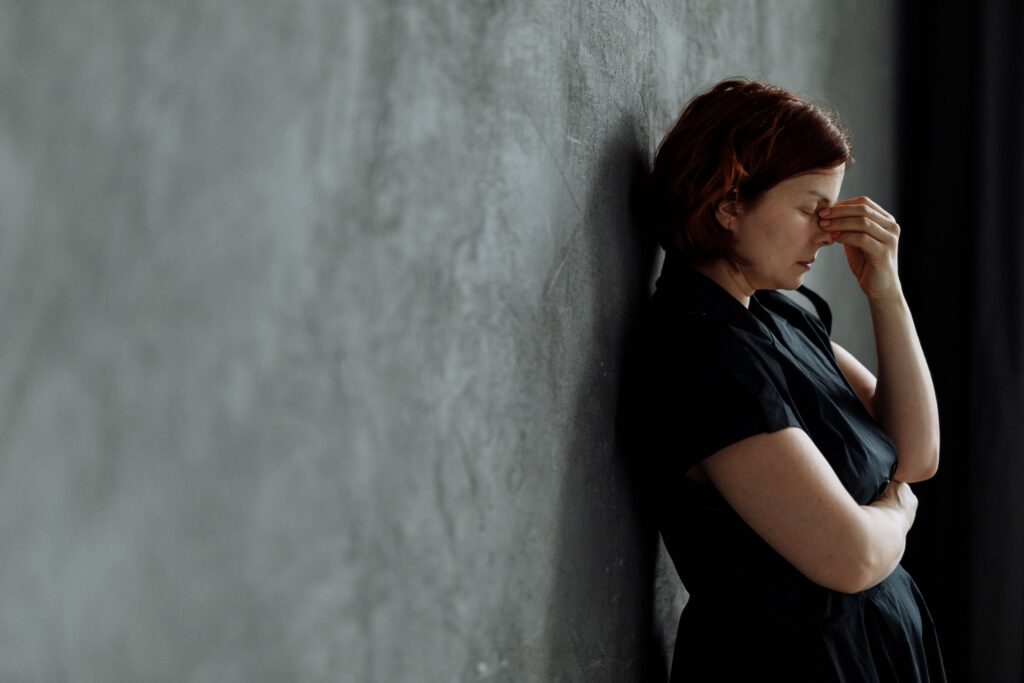
You may know logically that you’re safe, yet your body reacts as though something terrible is about to happen.
A racing heart. Tightness in your chest. Shallow breathing. A sudden need to escape. Or an overwhelming fear connected to a particular place, situation or experience.
Over time, you can find yourself organising more and more of your life around avoiding that feeling.
Hypnotherapy can help you work with the automatic patterns behind these responses, so fear no longer has to make your decisions for you.
YOU DON’T HAVE TO LIVE YOUR LIFE AROUND FEAR
Fear is an important protective response. But sometimes the mind learns to trigger that response in situations where there is no immediate danger.
You might understand perfectly well that flying is generally safe, that a crowded train isn’t dangerous, or that speaking in front of people shouldn’t feel terrifying.
And yet your body can react before logic has a chance to intervene.
That disconnect can be incredibly frustrating.
You’re not necessarily frightened because you’ve consciously decided something is dangerous. The response can feel automatic — and once it begins, trying to simply “calm down” or think your way out of it may not be enough.
That’s where working with the underlying pattern can become important.
HAS FEAR STARTED MAKING YOUR WORLD SMALLER?
Sometimes the biggest impact of a phobia or panic isn’t the fear itself.
It’s what you begin doing to prevent yourself from feeling it.
Perhaps you avoid certain places. You turn down invitations. You choose a longer route because another one makes you uncomfortable. You worry about being somewhere you can’t easily leave. You avoid flying, driving, public transport, lifts, crowds or situations where attention might be focused on you.
And sometimes there’s another fear sitting underneath everything:
“What if I panic?”
The more your life becomes organised around preventing that possibility, the more powerful the fear can appear.
The goal isn’t simply to become better at avoiding your triggers.
It’s to help you feel differently when you encounter them.

WHY CAN THE REACTION FEEL SO POWERFUL?
A fear response can happen remarkably quickly.
Your conscious mind may be telling you that everything is fine while another part of your mind has already associated a particular situation with danger.
Your body responds accordingly.
That can create physical sensations which themselves become frightening. You notice your heartbeat. Your breathing changes. You feel hot, shaky, light-headed or disconnected from what’s happening around you.
Then another thought arrives:
“Something is wrong.”
The sensations create fear, the fear intensifies the sensations, and suddenly you’re caught inside the response.
Hypnotherapy aims to work with the learned associations and automatic patterns that can sit beneath that cycle rather than relying solely on conscious willpower to overcome them.

WHAT CAN HYPNOTHERAPY HELP WITH?
People seek hypnotherapy for many different fears and phobias — from very specific triggers to broader situations that have gradually become associated with anxiety or panic.
These may include fears around flying, driving, public transport, heights, enclosed spaces, animals, needles, medical or dental procedures, social situations, public speaking or being somewhere that feels difficult to leave.
For some people, the issue is less about one particular trigger and more about the fear of experiencing another panic attack.
The circumstances may be different, but the objective is similar:
To change the automatic response so that the situation can begin to feel more manageable.
YOU DON’T NEED TO FIGHT YOURSELF TO FEEL CALMER
Trying desperately not to panic can sometimes place even more attention on the very sensations you want to stop.
Instead, hypnotherapy uses a deeply relaxed and focused state in which we can work with the subconscious associations connected with your response.
You remain aware and in control throughout the process.
The aim is not to erase normal fear or convince you that genuine dangers don’t exist. Healthy fear has an important purpose.
We’re working on the responses that have become disproportionate, automatic or unnecessarily restrictive — helping your mind develop a calmer and more appropriate response to situations that previously triggered fear.

IMAGINE NOT HAVING TO PLAN AROUND IT ANYMORE
Imagine booking the flight instead of immediately thinking of reasons you can’t go.
Getting onto the train without searching for the quickest escape.
Walking into the room without rehearsing everything that could go wrong.
Doing something because you want to do it, rather than deciding according to what fear will allow.
For many people, that’s what freedom from a phobia really means.
It isn’t about becoming fearless.
It’s about reaching the point where fear is no longer running your life.

Questions
Frequently Asked Questions
Can hypnotherapy help with phobias?
Hypnotherapy may be used to work with learned associations and automatic fear responses connected with particular situations, objects or experiences. The aim is to help the mind develop a more appropriate response where the existing reaction has become disproportionate or unnecessarily restrictive.
Can hypnotherapy help with panic attacks?
It may be useful where learned thoughts, associations and fear of the panic response itself are contributing to the cycle. Panic-like symptoms can also have medical causes, so new, severe or unexplained symptoms should be assessed by an appropriate healthcare professional rather than assumed to be psychological.
Do I have to confront my biggest fear during the first session?
No. The work should be approached at an appropriate pace. The first step is understanding the trigger, the response and what has been happening for you. You do not need to prove anything by immediately putting yourself into the situation you fear most.
What types of fears can people seek hypnotherapy for?
People may seek help with fears involving situations such as flying, driving, public transport, heights, enclosed spaces, animals, needles, medical or dental procedures, social situations, public speaking or being somewhere that feels difficult to leave. Whether hypnotherapy is appropriate depends on the individual circumstances.
Will hypnotherapy remove normal fear?
That is not the goal. Fear is an important protective response when genuine danger exists. The focus is on fear responses that have become excessive, automatic or unnecessarily restrictive, so that ordinary situations can be experienced more proportionately.
What if I’m frightened of having another panic attack?
Fear of another panic episode can itself become part of the cycle. You may begin monitoring physical sensations, avoiding situations or planning around the possibility of another attack. Where appropriate, the work can focus not only on the original trigger but also on the learned fear surrounding the sensations themselves.
Can Phobias & Panic Attacks Hypnotherapy be done online?
Depending on the individual circumstances and the nature of the fear, suitable sessions may be offered online as well as in Melbourne.
Free 20-Minute Consultation
READY TO FIND OUT IF HYPNOTHERAPY COULD HELP?
You don’t need to decide anything today.
Start with a free 20-minute consultation where we can talk privately about what you’ve been experiencing, what seems to trigger the response and what you would like to change.
I’ll explain how I work, you can ask any questions you have, and together we can decide whether hypnotherapy feels like the right approach for you.
Confidential • No obligation • Melbourne & online